Newsletter Subscribe
Enter your email address below and subscribe to our newsletter


 Byjohn A
Circulating supply is not the same as total issued or max supply. A disciplined view compares on-chain availability to promised issuance, staking rewards, and reserve movements. Data must be verified against unlock schedules, provenance, and independent audits to avoid marketing gloss. The method reveals liquidity, price impact, and governance dynamics, but gaps and opaque timing can mislead. The reader is urged to scrutinize the numbers before drawing conclusions.
Circulating supply directly constrains the number of coins available for transfer in the market, setting a fundamental cap on immediate liquidity and potential price impact.
The analysis emphasizes token economics as a framework, linking supply dynamics to price movement while acknowledging uncertainty.
Market signaling emerges as traders interpret shifts, yet data remain ambiguous, demanding rigorous, skeptical scrutiny toward assumptions about freely tradable quantity.
To interpret total, max, and circulating supply accurately, practitioners must apply a disciplined, data-driven checklist that distinguishes nominal counts from practically transferable tokens. The approach remains skeptical, focusing on verifiable issuance patterns, token inflation indicators, and on-chain provenance. Analysts weigh governance transparency, audit results, and label integrity to avoid misclassification, ensuring decisions reflect transferable liquidity rather than theoretical availability.
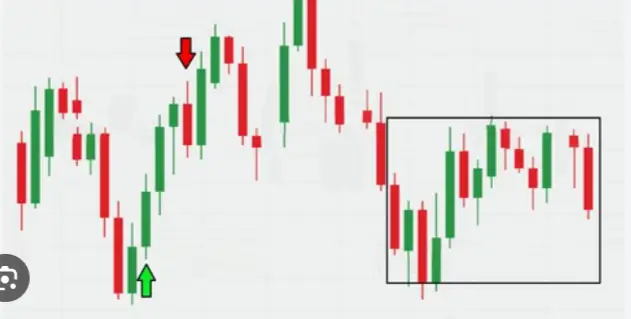
See also: Understanding Candlestick Charts in Cryptocurrency
How to verify unlocks, staking, and reserves on-chain hinges on precise sourcing and transparent timing: analysts should map token release schedules to actual on-chain activity, distinguishing scheduled unlocks from concluded or deferred issuances.
The approach remains skeptical and data-driven, prioritizing provenance for unlocked tokens, observed staking rewards, visible on chain reserves, and confirmed supply locks without assuming projections.
A 5-step framework provides a practical, repeatable method to assess a token’s supply claims with objectivity. The framework emphasizes verifiable data, independent audits, and cross-checking on-chain metrics. It evaluates unreleased incentives and governance dynamics, distinguishes between circulating and total supply, and flags optimistic projections. It promotes skepticism toward marketing rhetoric while enabling readers seeking freedom to form evidence-based judgments.
Circulating supply claims must be backed by verifiable, on-chain realities rather than marketing visuals. This framework emphasizes cross-checking total, max, and circulating figures against unlock schedules, staking rewards, and reserve movements, then verifying provenance and audits. In practice, the difference between issued and transferable stockpiles can materially affect liquidity and price impact. The conclusion should be: tread carefully, don’t take numbers at face value, and read the data with a fine-toothed comb before drawing conclusions. Don’t blink; the truth is baked in.